Vision
To create a generation of physically healthy, mentally resilient, socially responsible, and substance-free youth who become ambassadors of positive change within their families, educational institutions, and communities.
Initiatives
Awareness, resilience, and a substance-free generation.
Substance abuse rarely announces itself with a single dramatic moment — it usually builds through a slow mix of curiosity, peer pressure, and a lack of anywhere honest to ask questions. SAP, implemented through Global Gyaan Academy, is UZAK's response: a prevention programme that treats resilience as something to be built, not lectured into students. It moves deliberately through six reinforcing layers — awareness and education sessions that replace myths with facts, life-skills training in decision-making and emotional regulation, a Peer Leadership Program that trains SAP Youth Ambassadors to lead from within the student body, confidential mental-health counselling for those already at risk, structured engagement with parents and teachers so warning signs are caught early, and visible community campaigns that shift the norm beyond the classroom. Together, they're designed to leave students not just informed about the dangers of drugs, alcohol, tobacco and vaping, but genuinely equipped to say no when it matters.
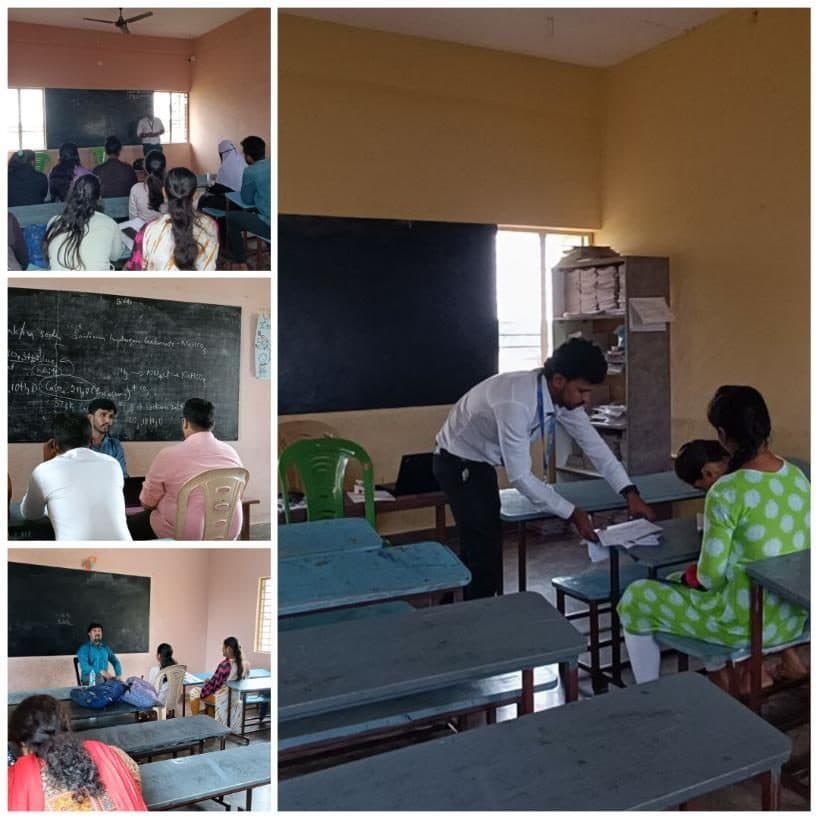
To create a generation of physically healthy, mentally resilient, socially responsible, and substance-free youth who become ambassadors of positive change within their families, educational institutions, and communities.
To prevent substance abuse among students and young adults through evidence-based education, awareness campaigns, life skills development, counselling support, community participation, and strategic partnerships.
SAP treats prevention as something built, not lectured. The programme's objectives move deliberately from awareness to skill-building to action — so that a student doesn't just know substance abuse is harmful, but has the resilience and support system to act on that knowledge under real peer pressure.
Increase awareness about the harmful effects of drugs, alcohol, tobacco and vaping, develop students' ability to make informed and responsible decisions, strengthen emotional intelligence and resilience against peer pressure, promote healthy lifestyles and positive coping mechanisms, identify at-risk students and provide timely guidance and counselling, engage parents, teachers, and communities in prevention efforts, and encourage students to become peer educators and youth leaders.
No single session changes behaviour, so SAP is built as six components that reinforce each other — education, skills, peer influence, mental health support, family engagement and public visibility — running together rather than as a one-time assembly talk.
The foundation layer — accurate, age-appropriate information delivered without scare tactics, so students can separate fact from rumour.
Types of addictive substances, health consequences, legal implications, myths and facts about substance use, and recovery and rehabilitation.
The practical toolkit that turns awareness into actual resistance — the skills a student reaches for in the moment peer pressure shows up.
Decision-making, emotional regulation, stress management, communication skills, goal setting, and conflict resolution.
Because messages land differently coming from a classmate than an adult, SAP trains Youth Ambassadors to promote healthy behaviours, organise campaigns and support fellow students directly.
SAP Youth Ambassadors trained to promote healthy behaviours, organise campaigns and support fellow students.
A confidential support layer for students already at risk, recognising that substance use is often a symptom rather than the root problem.
Individual & group counselling, stress management workshops, anxiety & depression awareness, and referral to professional services.
Prevention doesn't stop at the school gate, so parents and teachers are equipped to recognise early warning signs and respond constructively at home.
Parent awareness meetings, teacher orientation programs, early warning sign identification, and family engagement workshops.
Public, visible activities that shift the norm beyond the classroom and signal that the wider community stands behind a drug-free environment.
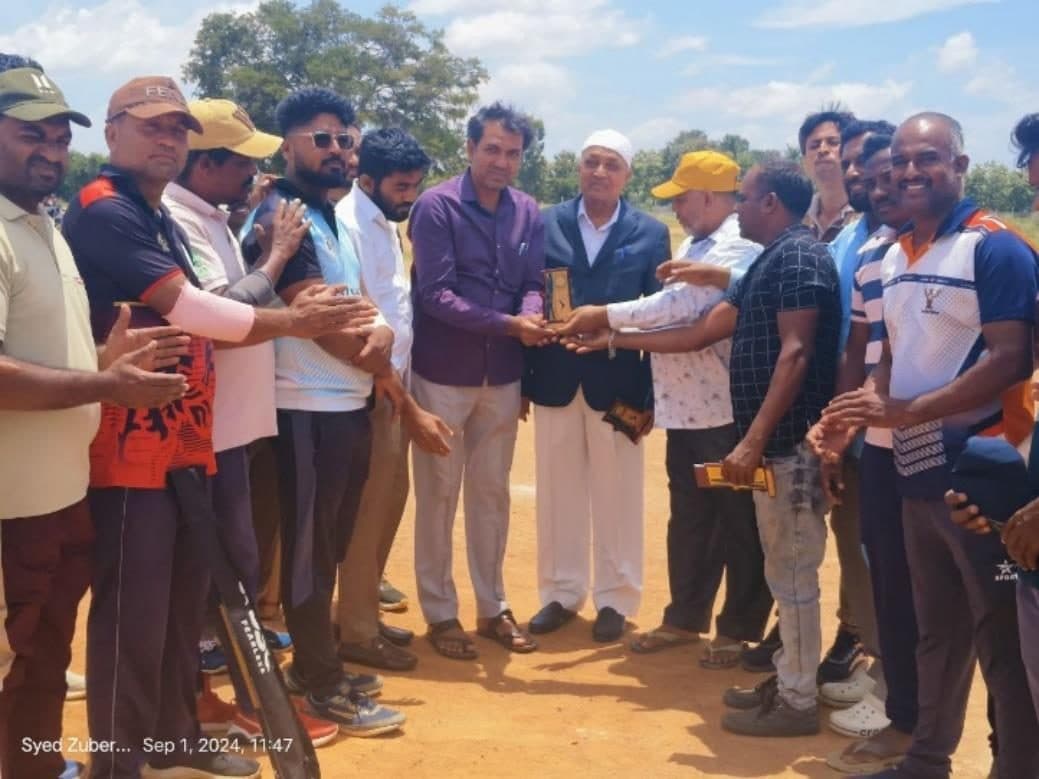
Drug-Free Campus Campaigns, street awareness rallies, human chain campaigns, and international day against drug abuse activities.
SAP is built for the whole ecosystem around a young person, not just the student in the classroom — because prevention holds best when everyone around them is speaking the same language.
School & College Students, university students, youth and young adults, teachers and faculty members, parents and guardians, and community youth groups.
Aligned with the UN Sustainable Development Goals
Partner with us
Sponsor a program, mentor a cohort, or bring your organisation alongside ours. As a CSR-1 registered trust, we make partnership simple and accountable.